Kinds of Yarn

Animal Yarn
Animal yarn is mainly made from the fleece, hair, or undercoat of mammals. It is a natural, protein-based fiber known for its warmth, elasticity, and breathability. Sheep produce the most common wool, which ranges from the soft, fine Merino to more durable, rustic types. However, other animals also provide specialized fibers. Alpaca is known for its softness and drape, while mohair comes from Angora goats and is highly shiny and strong. Cashmere is prized for its extreme softness and luxury. These fibers are usually collected by shearing or combing in the spring. This process is important for the health of domestic animals, as it helps prevent overheating and matting. Unlike synthetic materials, animal fibers have a microscopic scale structure that allows them to bloom and felt, creating a soft halo of fuzz. Their natural crimp helps trap air, providing excellent insulation. Additionally, specialty animal fibers like qiviut from muskox, yak, and angora rabbit are unusually warm. They can be up to eight times warmer than sheep's wool and are often used in luxury garments, even though they tend to be more delicate.
Plant Yarn
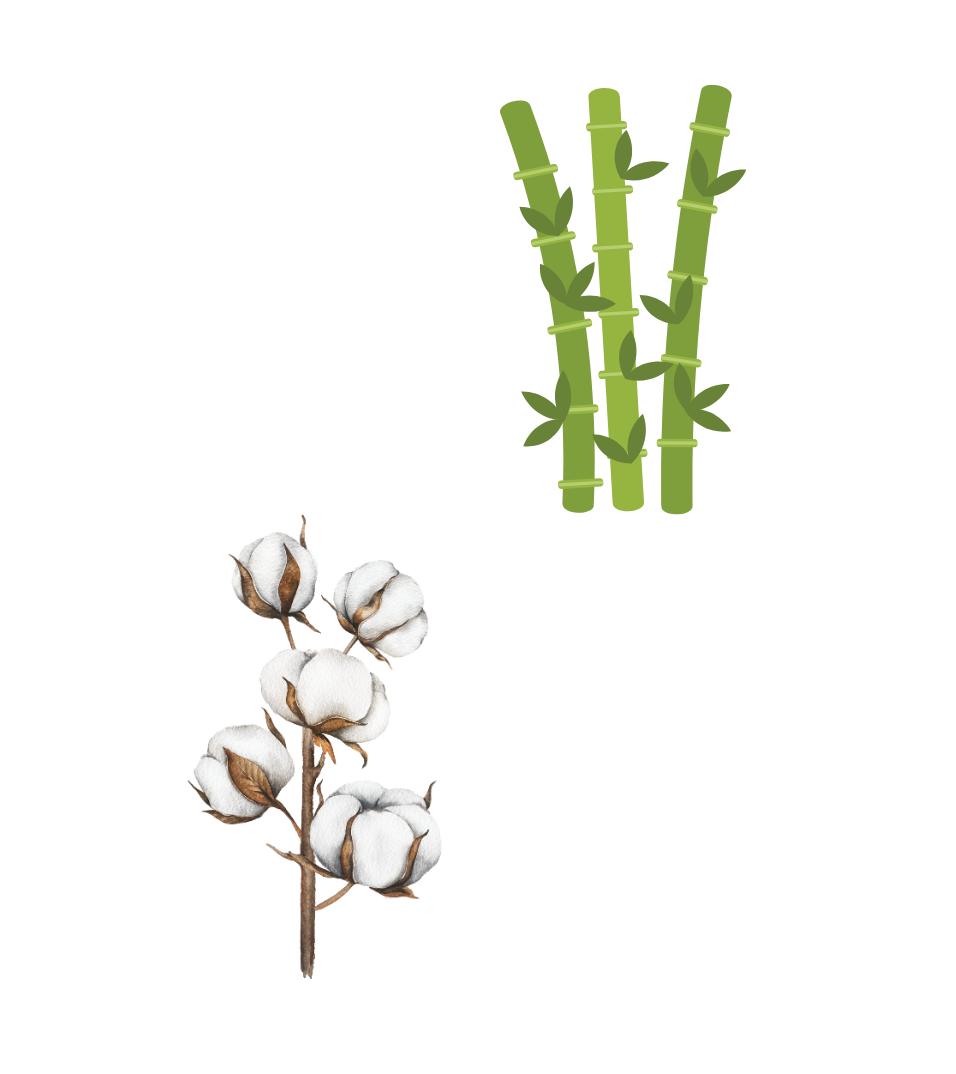
Plant yarn is mostly made from cotton, linen (flax), hemp, bamboo/bamboo rayon jute, and other fibers. Cotton is the most popular plant fiber; soft, breathable, and matte. Good for all-purpose use,particularly garments and dishcloths. Varieties include Pima and Egyptian for superior softness. Linen is made from flax plants; strong, structured, and cooling. It softens with washings and is great for crisp summer garments. Hemp is extremely durable, grows softer over time, and is a very sustainable option. Often stiffer, offering good structure. Bamboo is a soft, antibacterial, and silky with a high sheen. It has a heavy drape and is excellent for wraps and garments. Jute is a coarse, strong, and shiny bast fiber often used for textured projects or home goods like rugs. Other fibers include nettle (strong and insulating), Seagrass, Coir, Ramie, and Pineapple. There are also plant fiber blends made to mitigate the lack of structure and add elasticity, plant fibers are frequently blended with other material
Synthetic Yarn
Chemical processes are used in making synthetic fabrics, which include poly yarns, made from petroleum and coal as the raw materials. Unlike plant-derived fibers, these yarns are made in laboratories and can be engineered to have special attributes, e.g. strength, anti-wicking, or stretch. The most common types of synthetic yarn are acrylic, polyester, and nylon. Due to low-maintenance and low-cost, synthetic yarn is the best option for baby blankets, activewear, and anything that will be used daily or in high-traffic areas. Although synthetic yarn does not “breathe” like natural yarns (e.g. wool or cotton), they are suitable for everyday items that need to be washed often, as synthetic yarn is generally not subject to shrinking or fading from repeated washing in a washing machine.


Check out our socials for more! @CoralsCrochet